
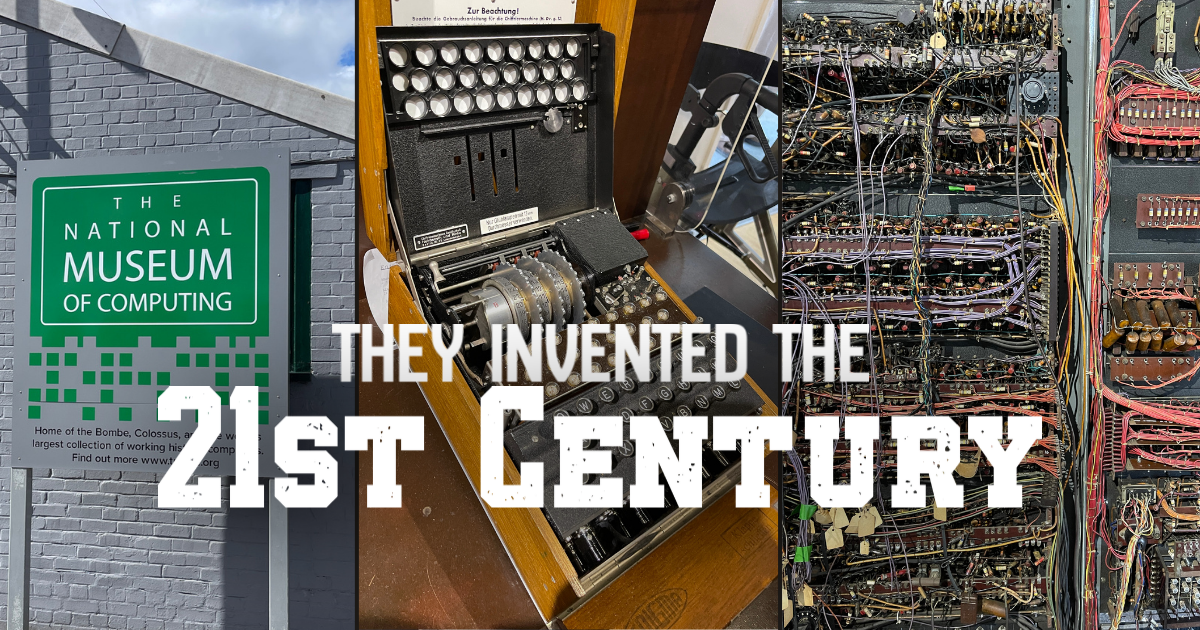
I joke that I have been quietly building my own computer museum in my office, but I just got back from a real, unique, and precious computer museum that blows everything else away.
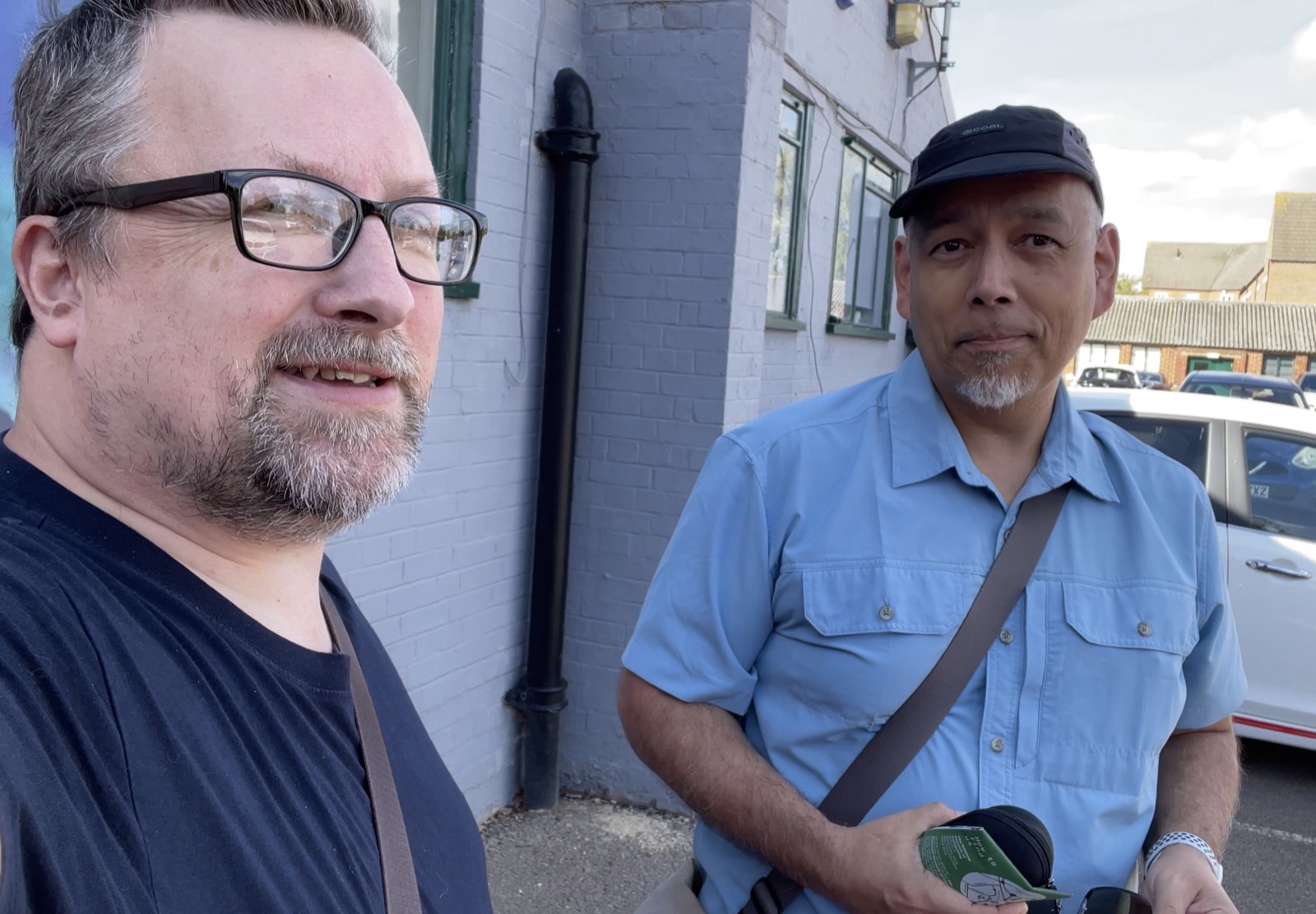
My friend Steve flew four and a half thousand miles to visit The National Museum of Computing (TNMOC) at Bletchley Park with me.
During his planned trip from Calgary I asked whether he fancied a day out at a museum in Milton Keynes and sent him a link. He said yes, we bought tickets, arrangements were made. Then we got there and he said something that inspired this blog post.
He said this would be a reason to come to the UK. Not a nice thing to do while you’re here. A legit reason to come at all.

Not just ANY computer museum
There are a lot of computer museums. You walk round, you see a machine you owned, you point out the ones you still want for your collection, you feel briefly very very old, you buy a fridge magnet and an expensive ham sandwich. You know the drill.
This one is different. When you are there you are standing right in the building that started computing.
Block H, Bletchley Park was finished in September 1944 and put up to hold Colossus machines. Historic England describes it as the birthplace of modern computing. Large scale electronic information processing started right there.
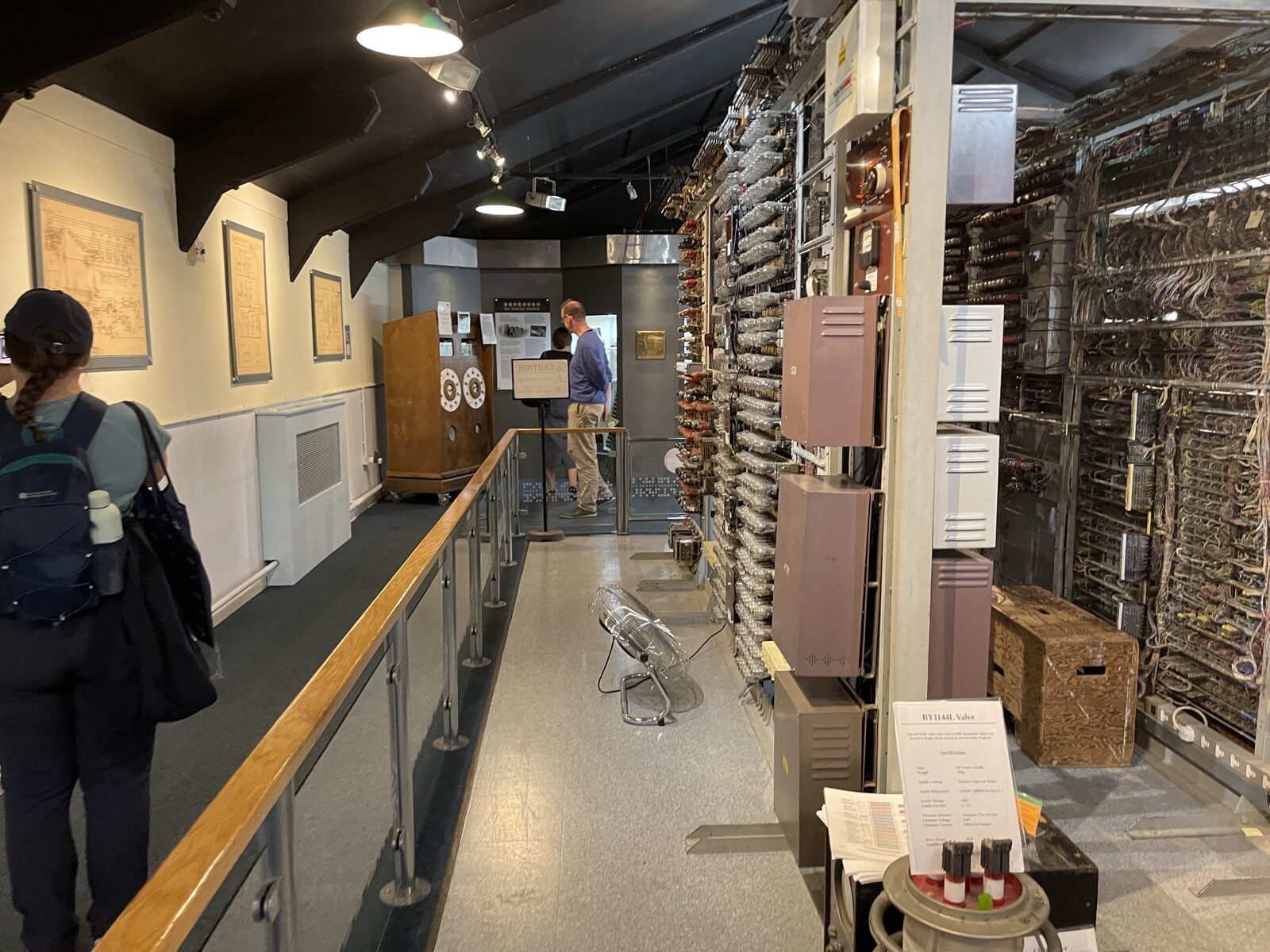
This is something nowhere else can match. The rebuilt Colossus you can walk up to, hear, smell, and enjoy up close and personal, stands exactly where Colossus No 9 stood during the war.
We at The National Museum of Computing are honoured to receive an IEEE Milestone in recognition of our home, Block H at Bletchley Park, the last surviving building housing World War II Colossus machines.
Dr Andrew Herbert, Chairman, The National Museum of Computing
That is not a museum with enough budget to buy cool gear. That is the room history happened in.
Is this that Bletchley Park?
This tripped me up initially but there is Bletchley Park and, well, there is Bletchley Park.
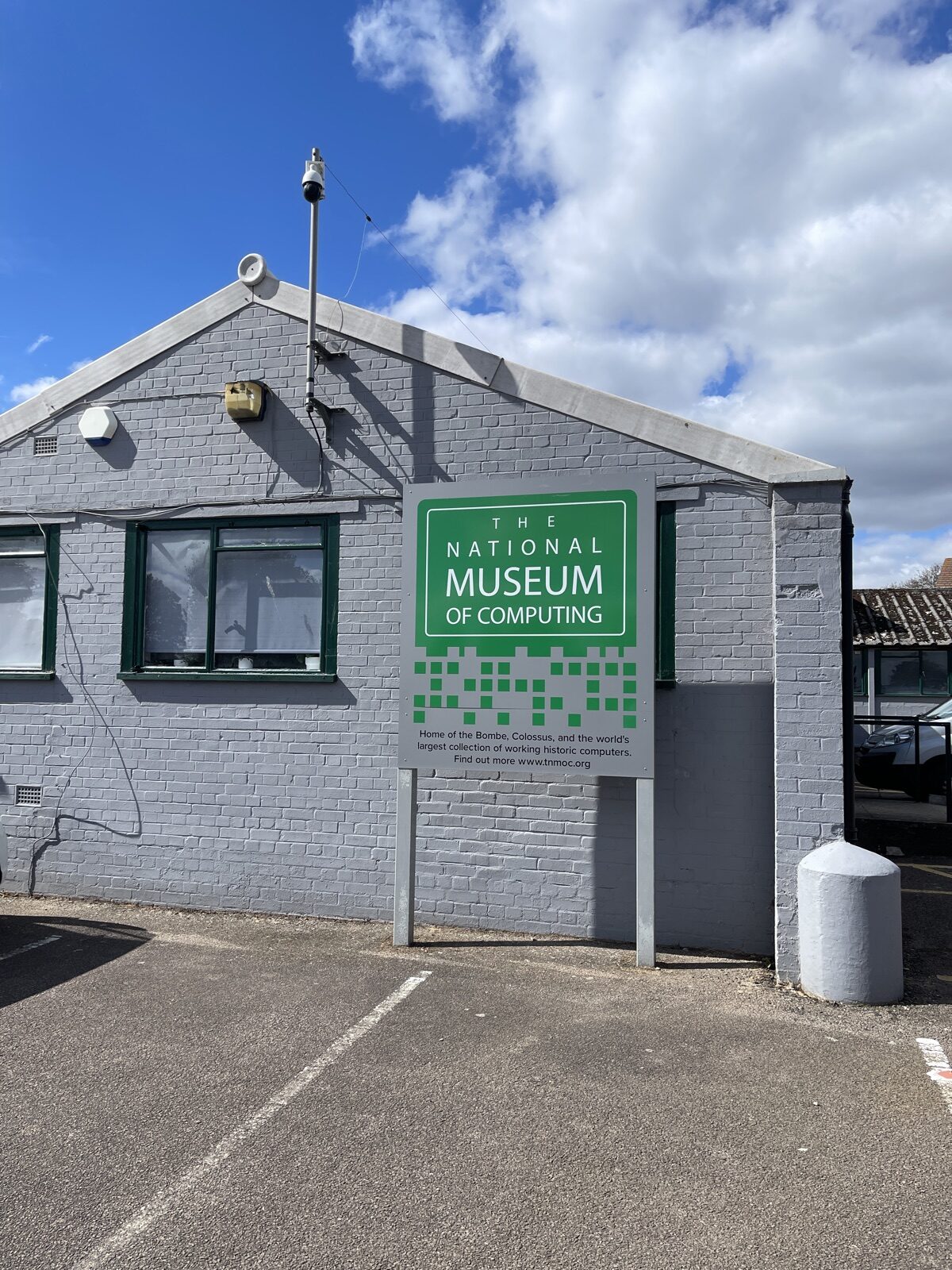
Bletchley Park is the name everybody knows from the films. The National Museum of Computing sits on the same estate at the top of a hill, but it is a separate museum with its own admission, run by different people from the other museum. Plenty of visitors do “Bletchley Park”, walk past TNMOC, and never realise what is inside.
Both have their own entry fee, and TNMOC is only open four days a week (Tuesday, Thursday, Saturday and Sunday). Turn up on a Monday and the computing museum is shut.
We wanted to see and hear the computers and scheduled accordingly, so only paid for TNMOC, but if you were hoping to see both it is worth taking into consideration.
Enigma (the bit you probably already know)
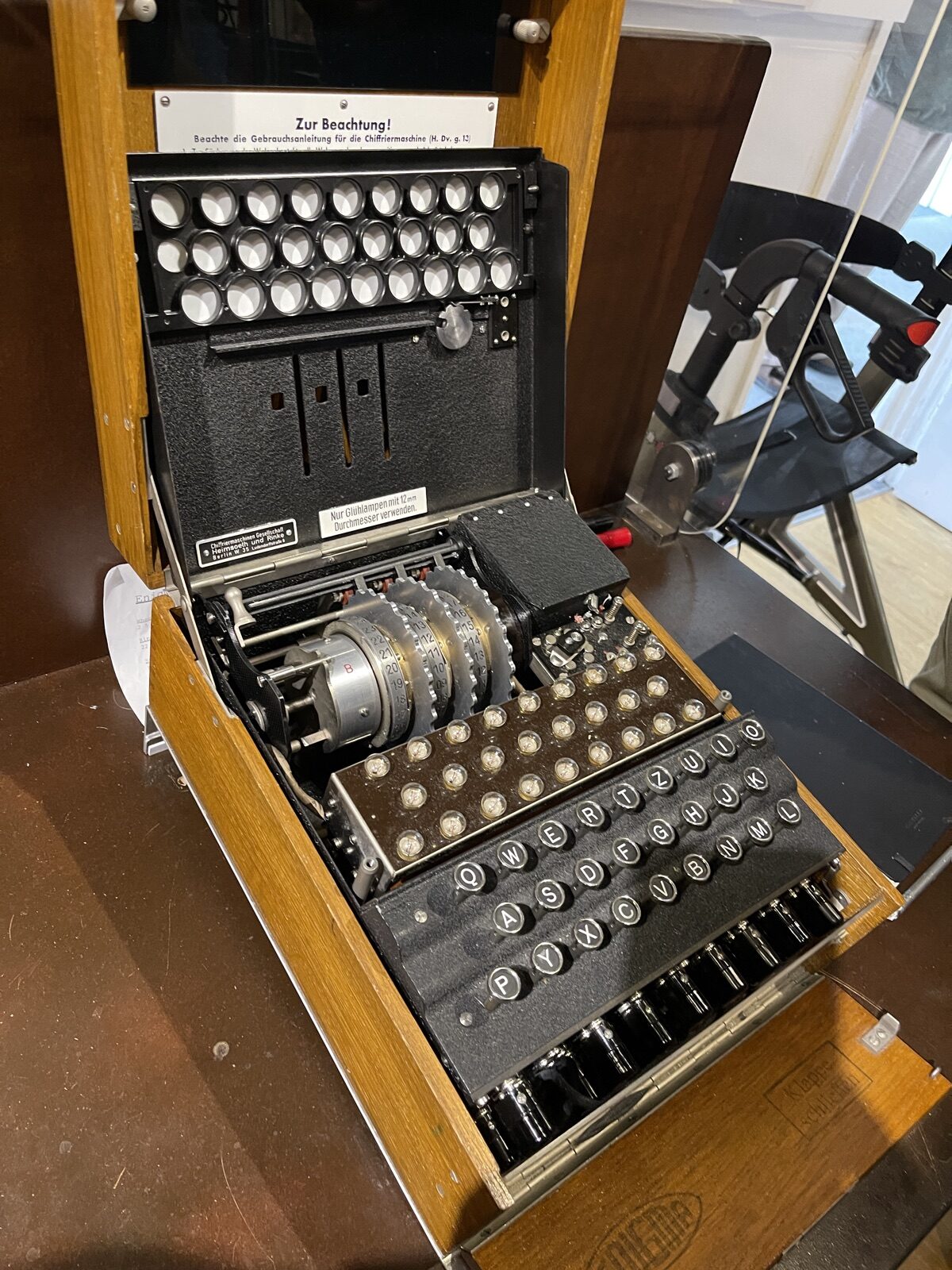
Yes, the Enigma is there. Fascinating to hear every little detail, too. The volunteers really know their stuff, and they are passionate about it. Ask questions, you won’t be disappointed.
Most people have a rough idea about Enigma and Alan Turing. If you have even a slight interest in the topic, or computing as a whole, just this part of history is worth visiting for. I would argue seeing all the exhibits in context amplifies the appeal, however.
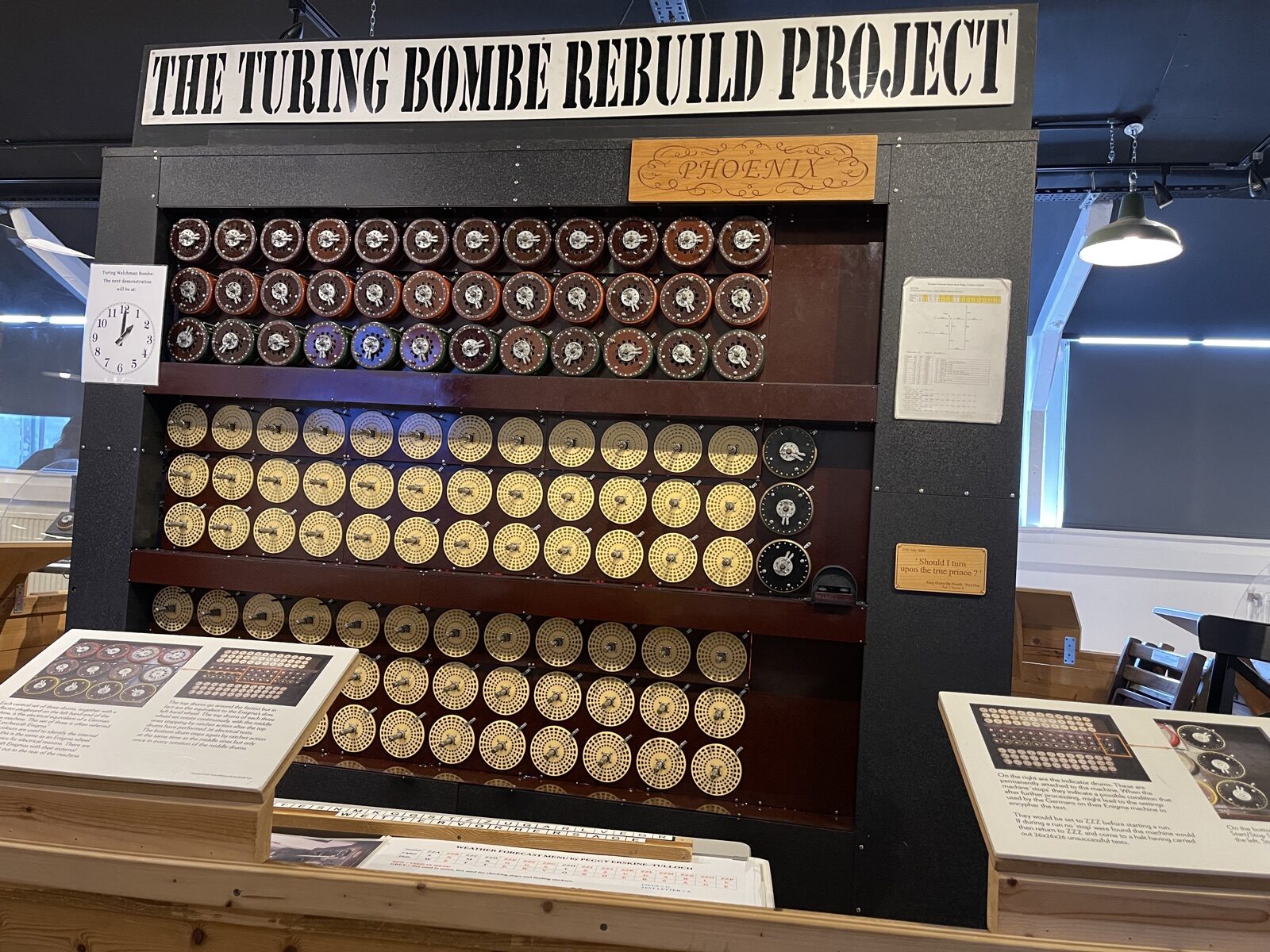
The Bombe is there, rebuilt and working, and it is a strangely fascinating thing to stand next to. It clatters. It smells faintly of oil and hot metal. You get a sense of it as machinery rather than as a plot point in a film.
But the Bombe is not the machine that leads to the thing you are reading this on.
What the movies miss
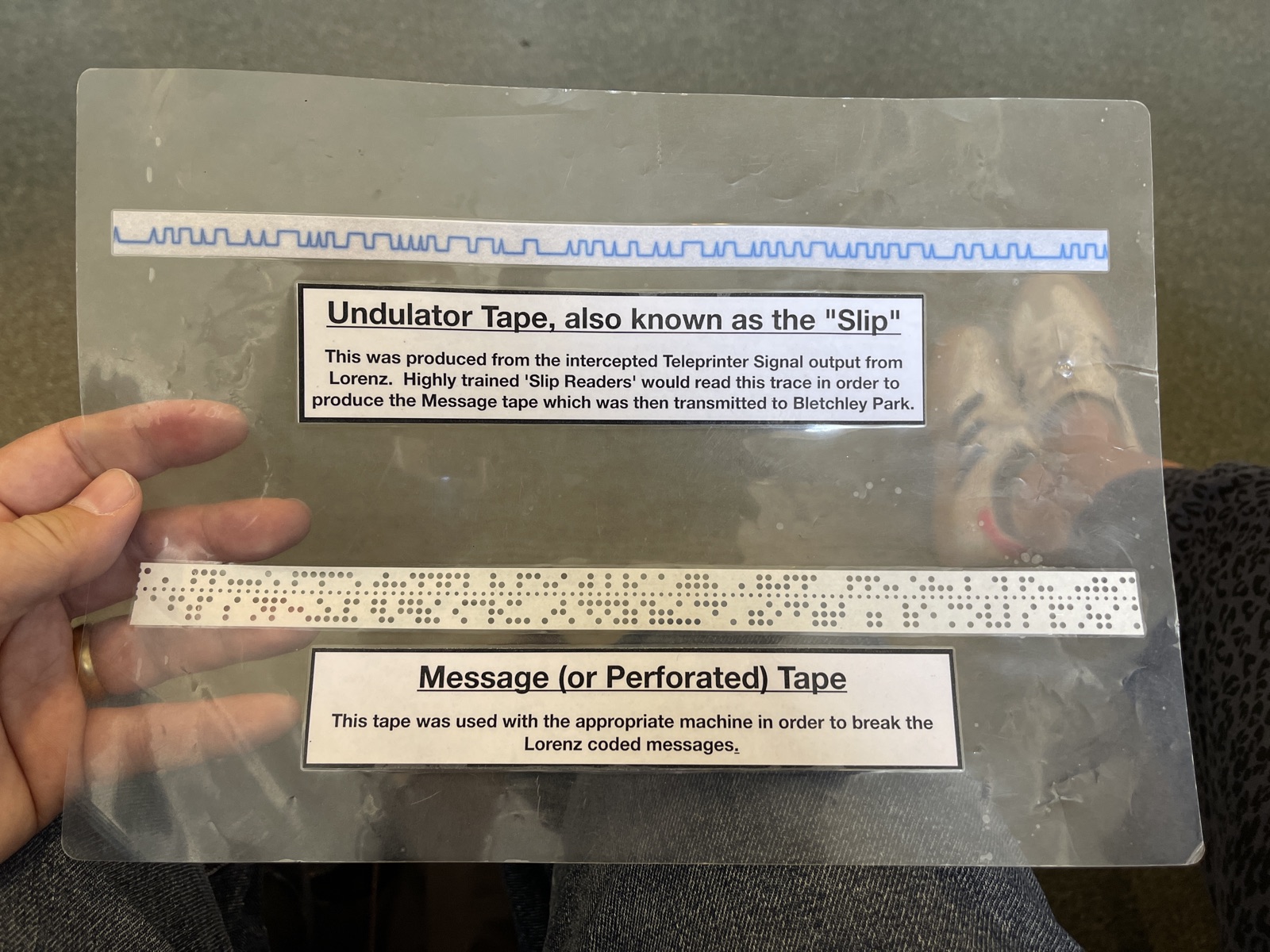
The Germans had a second cipher system, used for high level traffic rather than field messages. Think orders from high command instead of weather reports.
Bletchley codenamed the network Fish, and gave each radio link the name of a fish. One link ran between Athens and Vienna, and they called it Tunny. That is why the gallery is called the Tunny gallery.
Breaking the cipher sounds impossible, you will see what I mean when I attempt to describe it, but the allies caught a break because an operator in Germany was feeling lazy.
On the 30th of August 1941 a pair of operators were told to test the system. A test message of around four thousand characters was to be sent and decoded. It did not arrive cleanly, so the receiving operator asked for the message to be sent again.
So the sender did send it again … but on the same machine settings, shortening some words as he went because stabbing another four thousand characters is a lot of typing on 1940s keyboard technology.
Two nearly identical messages, encrypted with the same key. That is the break the allies needed.
Enigma fell to a human mistake too, though that one involved money rather than laziness. That is a post of its own.
John Tiltman pulled the two apart. Bill Tutte then spent months working out the structure of a machine nobody at Bletchley had ever seen in person, from the patterns alone, one of the most extraordinary feats I’ve ever heard about.
Complexity != Security
As programmers this is a trap we could all fall into.
Before Colossus
A machine called Robinson compared two loops of punched paper tape. Every time round the alignment shifts by one so eventually you have compared everything against everything.
It is loud and if the paper flew off at high speed, which it did often, it was dangerous.
A volunteer had it running for us, at roughly a quarter speed, and it fills the room. Then he pointed out that during the war there were fifteen of these, running four times faster, and a Wren stood next to one for an entire shift writing down numbers as the lights changed.
Codebreaking was not cushy desk work.
Colossus – the first programmable electronic digital computer
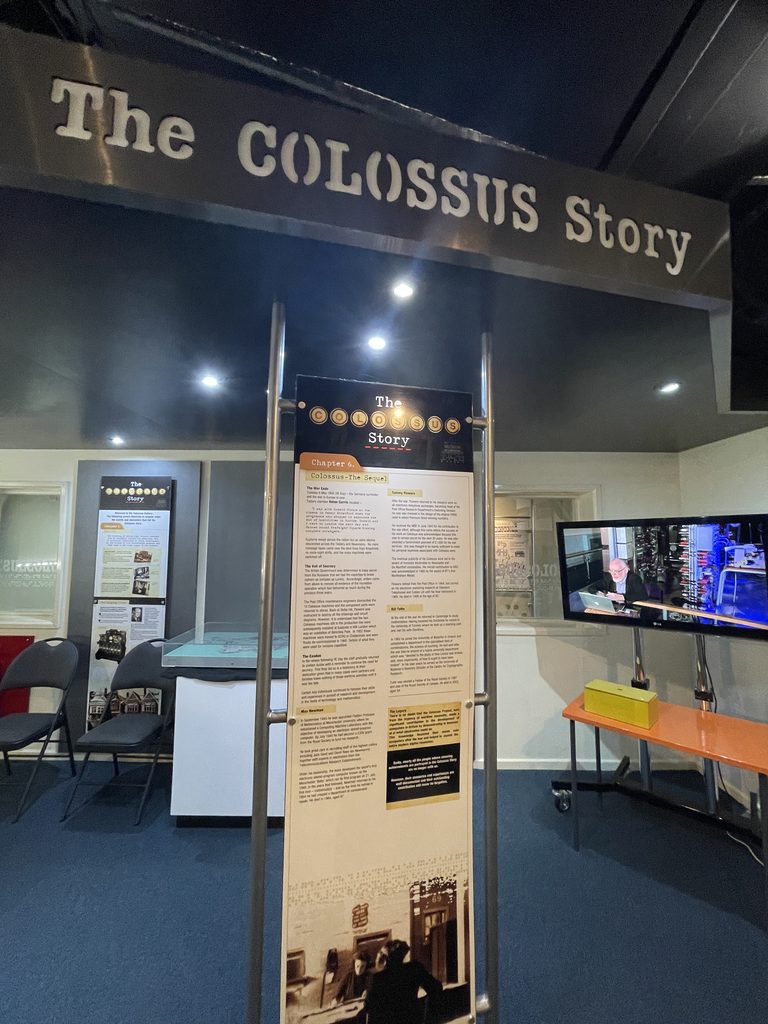
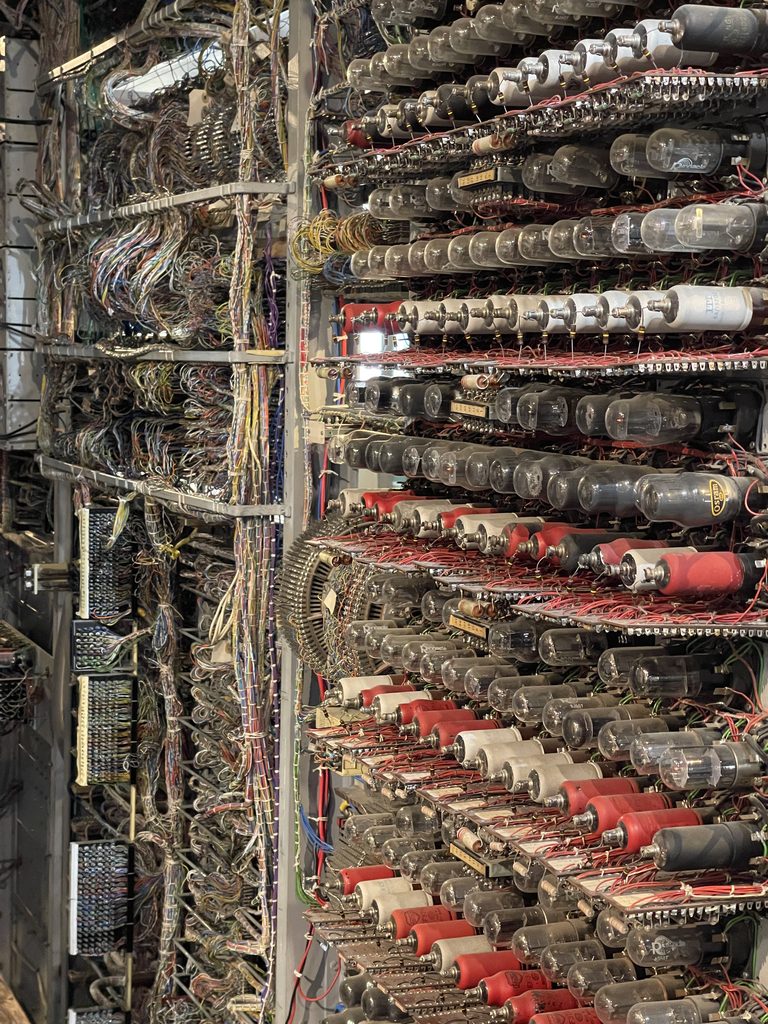
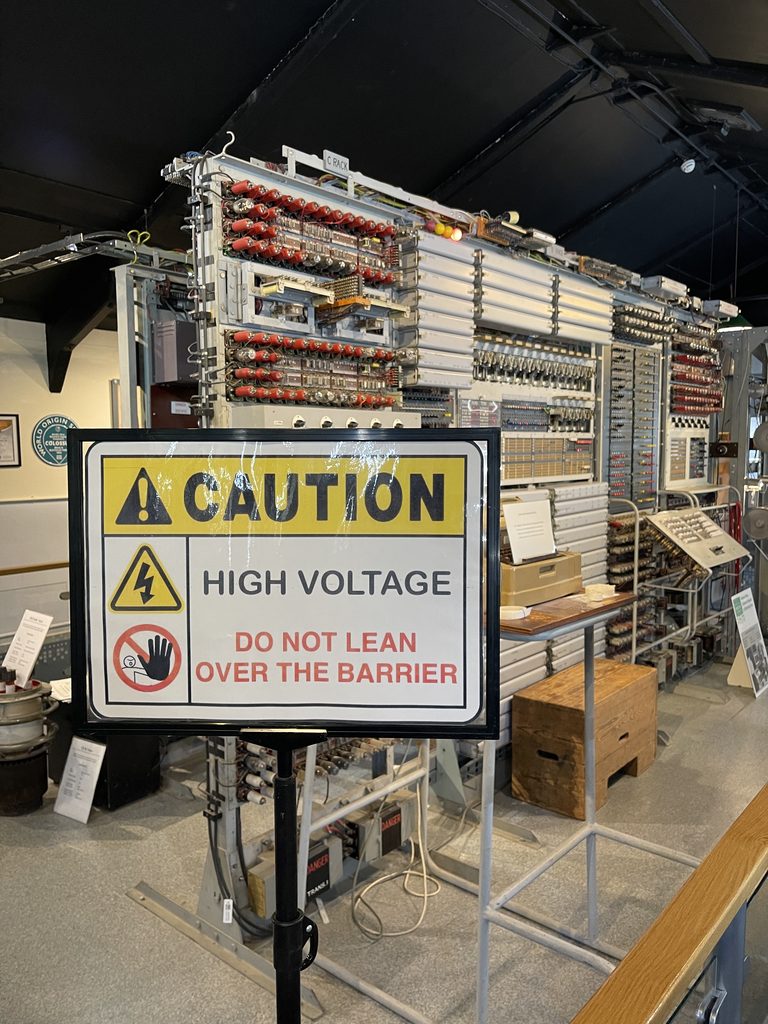
Tommy Flowers was a bona fide genius. He built Colossus to speed up the whole operation, and in the process replace the second tape with a series of valves. A tape held the encrypted message, and the key was generated electronically, so with this setup he removed the mechanical limit on how fast the thing could go.
You will notice from the photographs that Colossus still has two tape mechanisms, which confused me until it was explained. Both of them are message tapes. One runs while you load the next, then you switch over. Neat.
The first machine used about fifteen hundred valves and ran from December 1943. The Mark 2 used around two thousand four hundred.
Colossus was the first programmable electronic digital computer … in the world.
Wait, what?
If an entirely different computer just sprang into your mind as the first, take a breath.
Nobody knew about Colossus because it was secret.
Colossus was classified into the 1970s, and some details far longer. ENIAC, in America, was public, and it took the title of first computer for thirty years.
ENIAC was the first general purpose programmable computer.
The resulting military intelligence saved countless lives and helped shorten World War II. As the first successful large-scale application of digital electronics to computing, Colossus anticipated subsequent computer developments.
IEEE Milestone citation, awarded June 2026
Enigma’s story got the coverage, the books, the movies, and Cumberbatch. Colossus did not, which is why everybody knows Alan Turing and almost nobody knows Tommy Flowers, who paid for parts out of his own pocket, and was told afterwards to keep quiet about it or else.

So is The National Museum of Computing worth a trip?
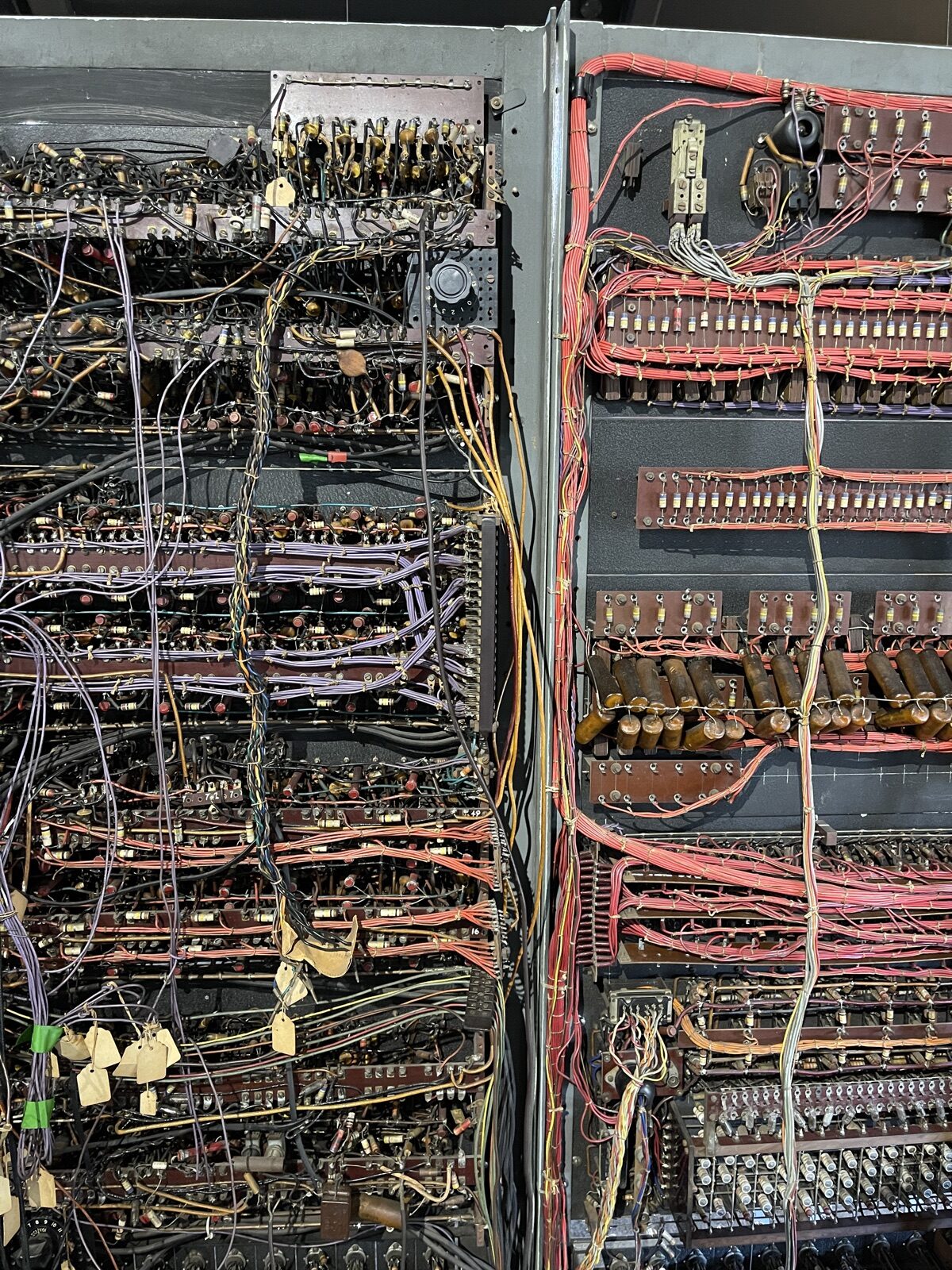
Yes, 100%. The big exhibits are unique, they are pivotal to history, and they run. The people who look after them will show you the machines running right where they were meant to be run.
That is a huge difference, and Lee at More Fun Retro made this point about TNMOC before I did: The volunteers are a big reason to go.
You can read about a machine like a Bombe, you can watch videos, but standing next to them while somebody who has devoted years to them explains what it is doing, and answers every daft question you were embarrassed to squeak out, is another thing entirely.
Allow more time than you think or than the website advises. We planned for most of a day and still rushed the second part. The Harwell Dekatron, the WITCH, deserved far more attention than I gave it, and I came away with twelve seconds of footage of the oldest working digital computer in the world. You only notice that sort of thing afterwards. Fortunately I did purchase an annual ticket!
The computers you remember, and the computers nobody can own
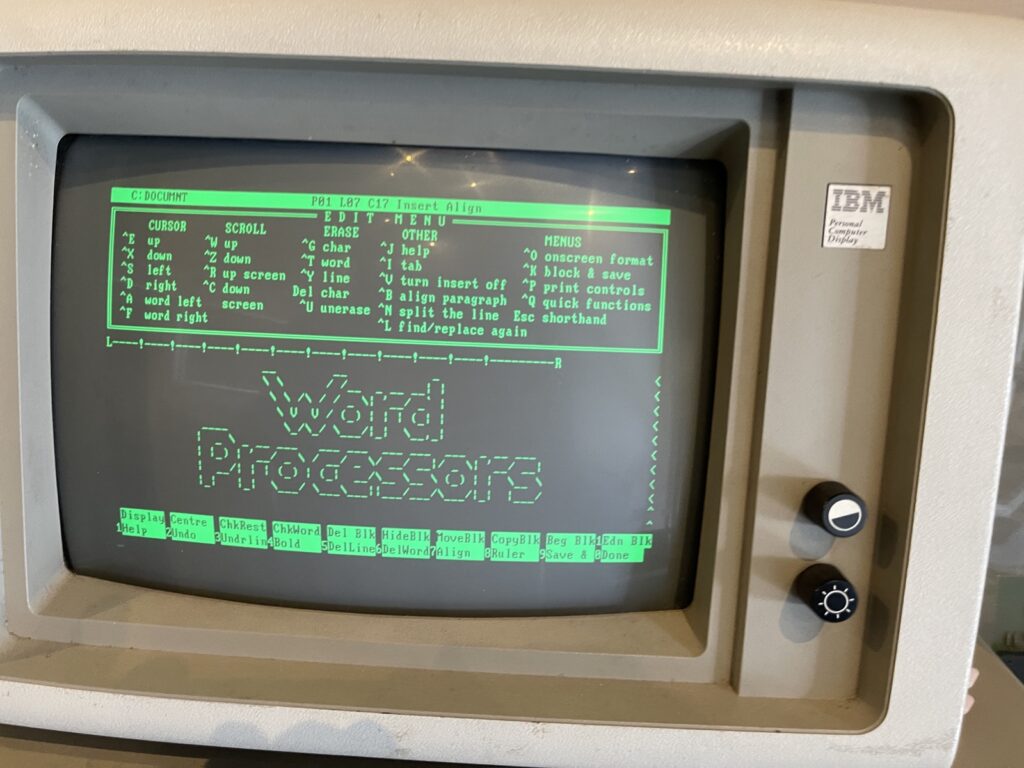
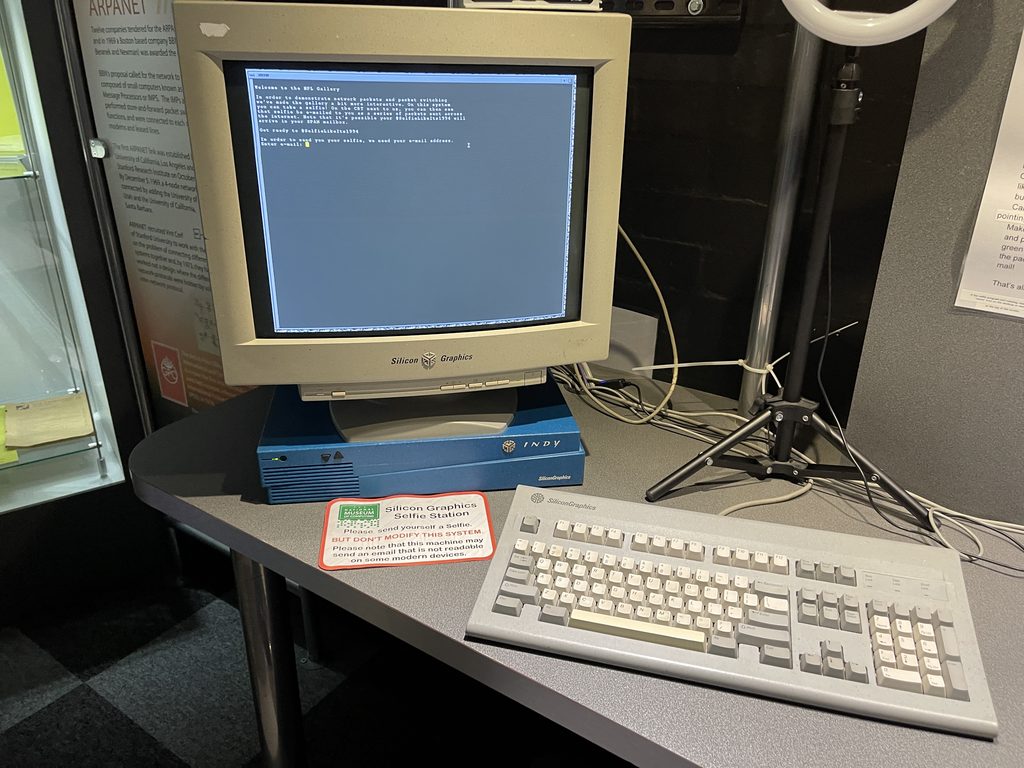
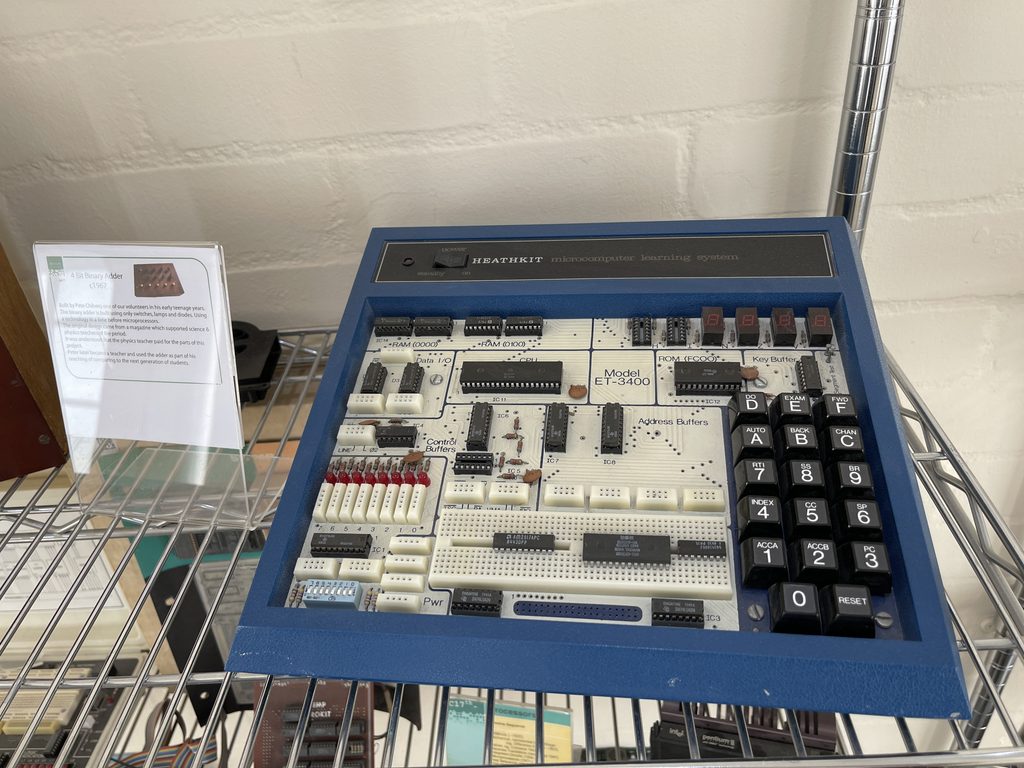
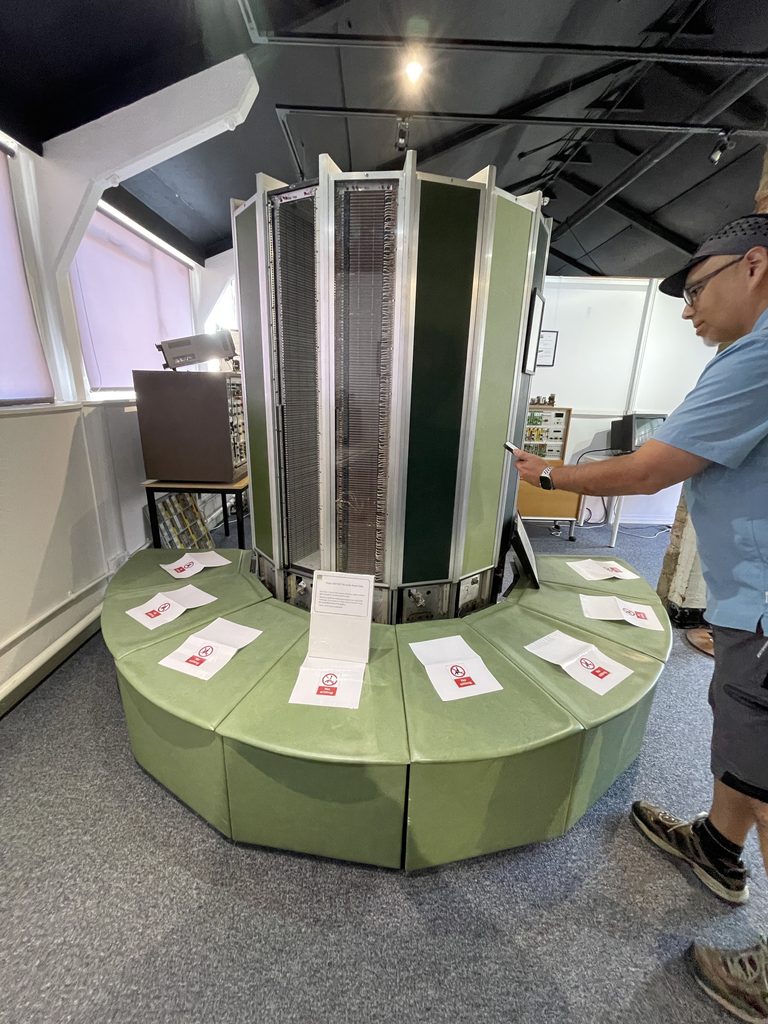
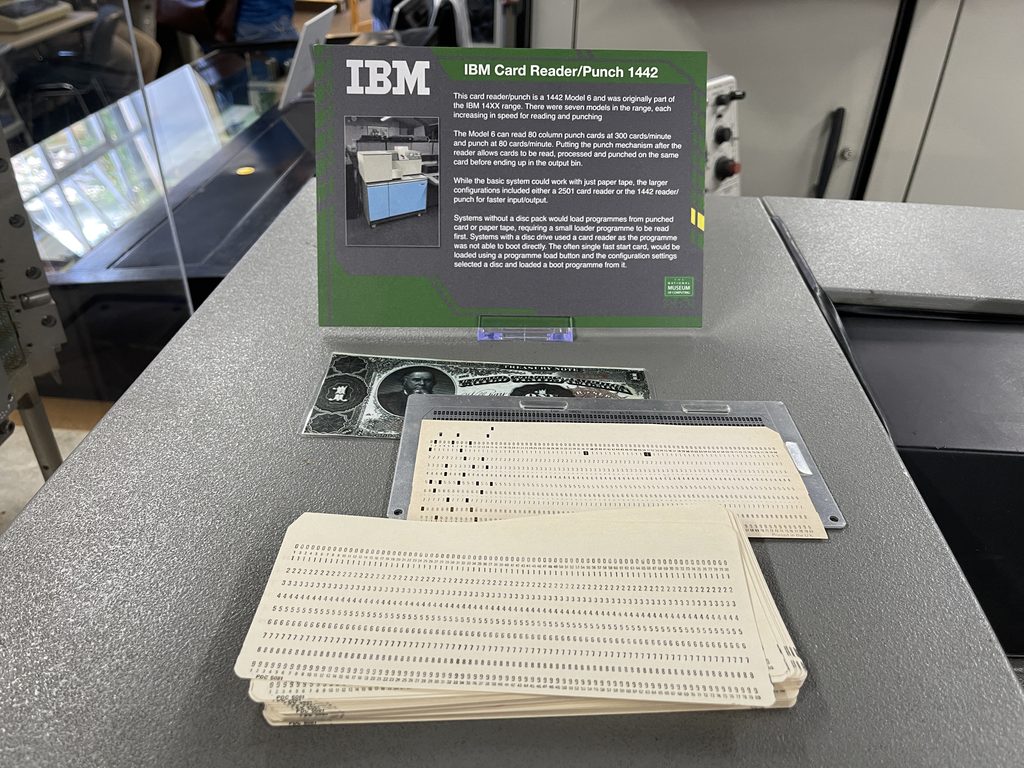
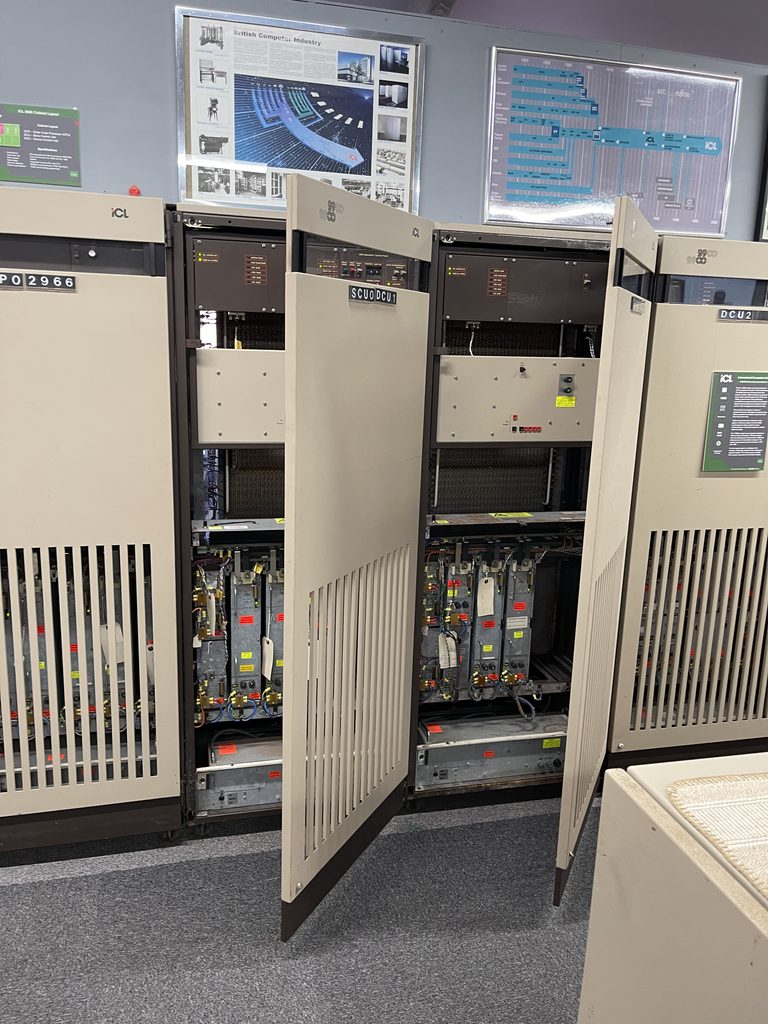
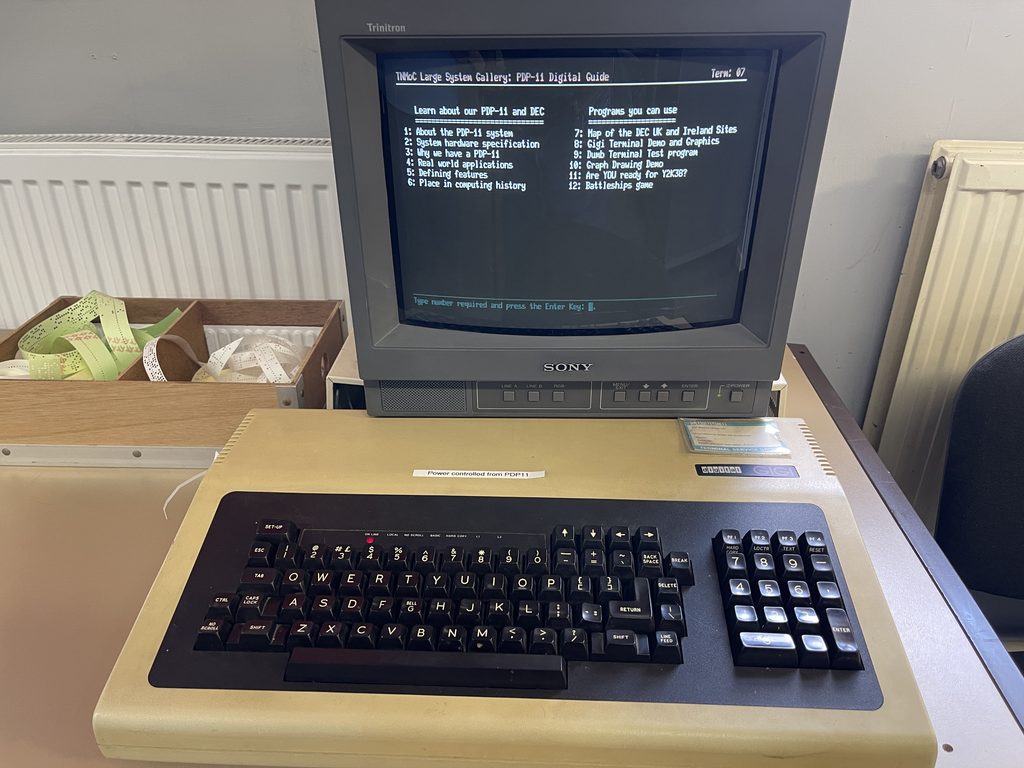
Somewhere around the micro room, the collector brain switches on. Got it, got it, never had one of those, want that.
And then you walk back through the earlier rooms and you stop because none of it is ownable. Not just rare or expensive, but not available at any price to anybody. There is no parallel universe where a Colossus turns up at a boot sale!
That is the case for going, and it brings us right back to Steve’s comment.
You can buy a Cessna. You can’t buy Kitty Hawk.
Steve Tsuida
Even a perfect replica of these machines would be the wrong thing, because the point is not only what they are, it is where in the world they are standing.
Should you go?
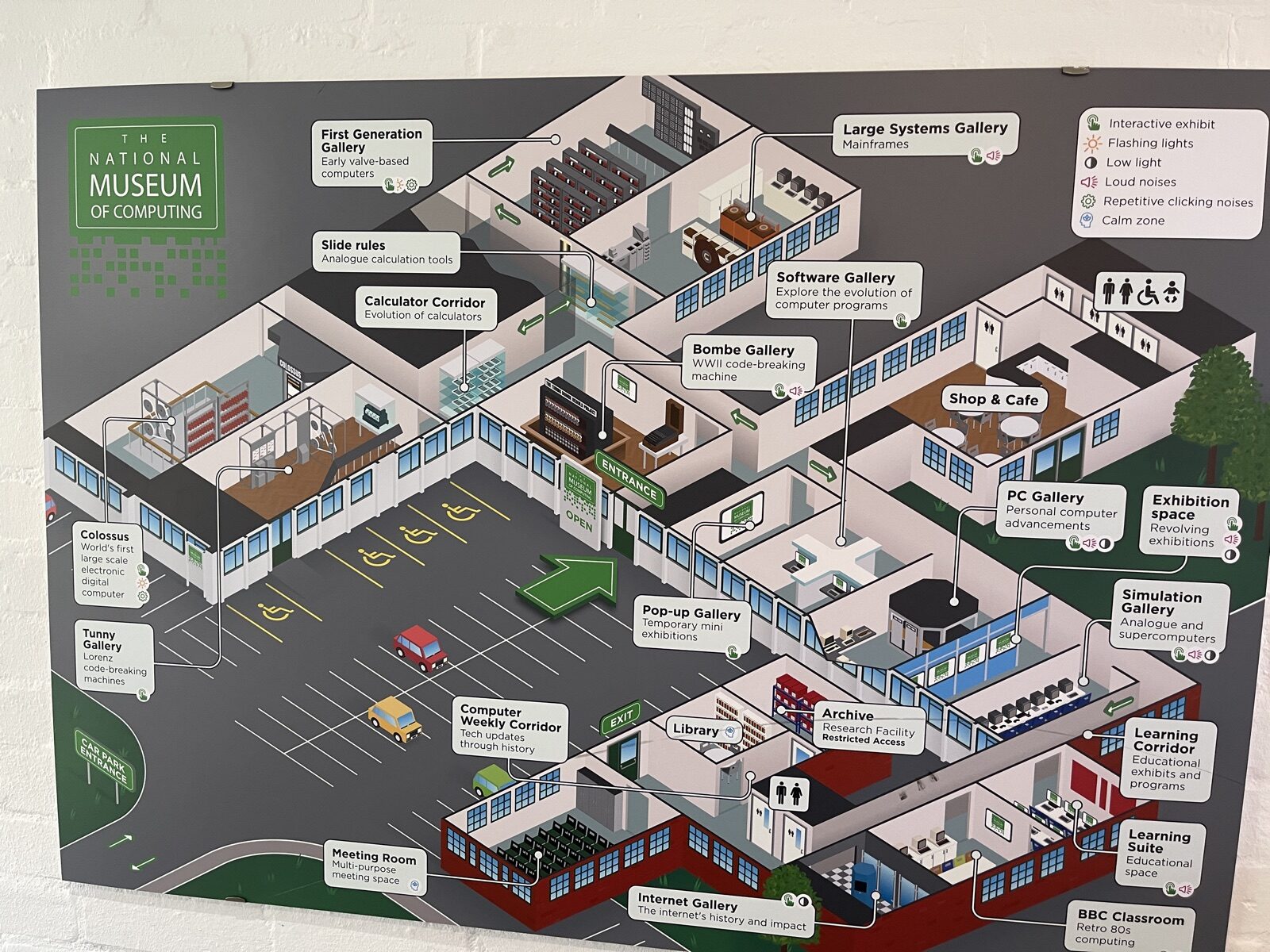
If you like old computers and computing even slightly, then yes, and give it double the time that you would think. They suggest allowing two hours, we felt we rushed after four hours.
Adult admission is £20, and the annual ticket is £30 (at the time of typing), so if there is any chance at all of you arranging a second visit, buy the year. Check the opening days before you book anything first, of course.
If you need more persuasion, Nostalgia Nerd filmed there with official access and a tour guide, and Lee filmed a fun visit diary video too.
Steve described Bletchley better than I can:
They accidentally invented the entire 21st century.
 How I Broke My Minstrel 4th Before It Ever Booted