Currently in the "actively fixing" portion of the vintage computer pile
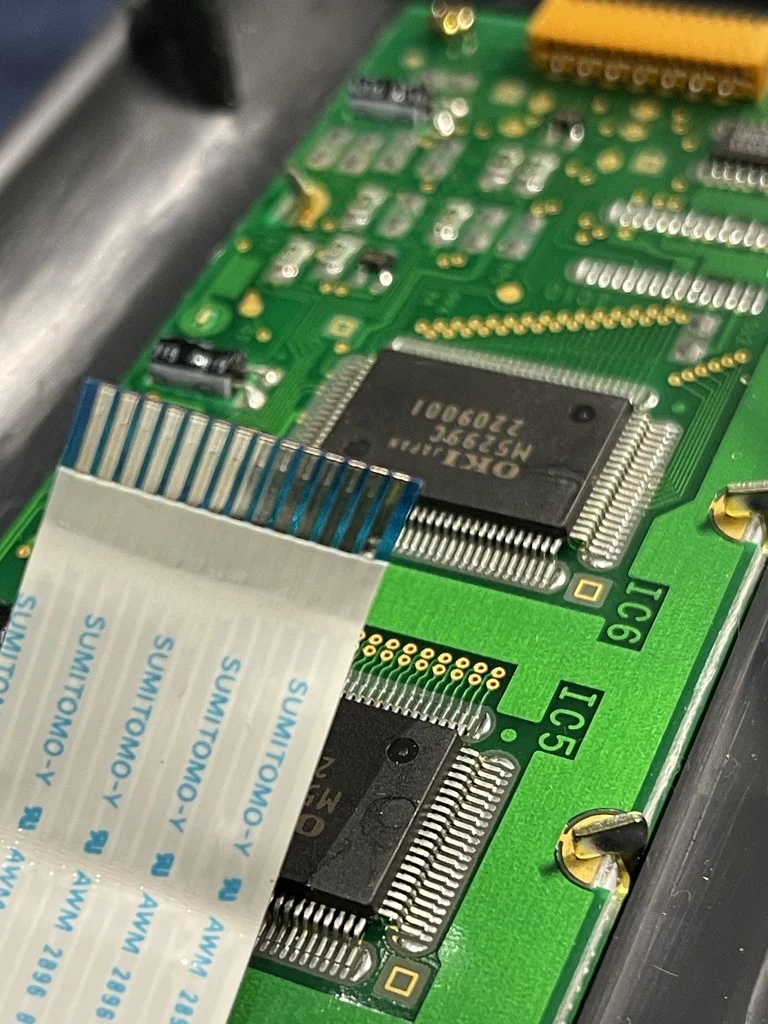
- An Amstrad NC100 that I repaired the DC jack and needs just a replacement screen ribbon cable I hope, but I managed to get perhaps a working screen assembly from a charity shop
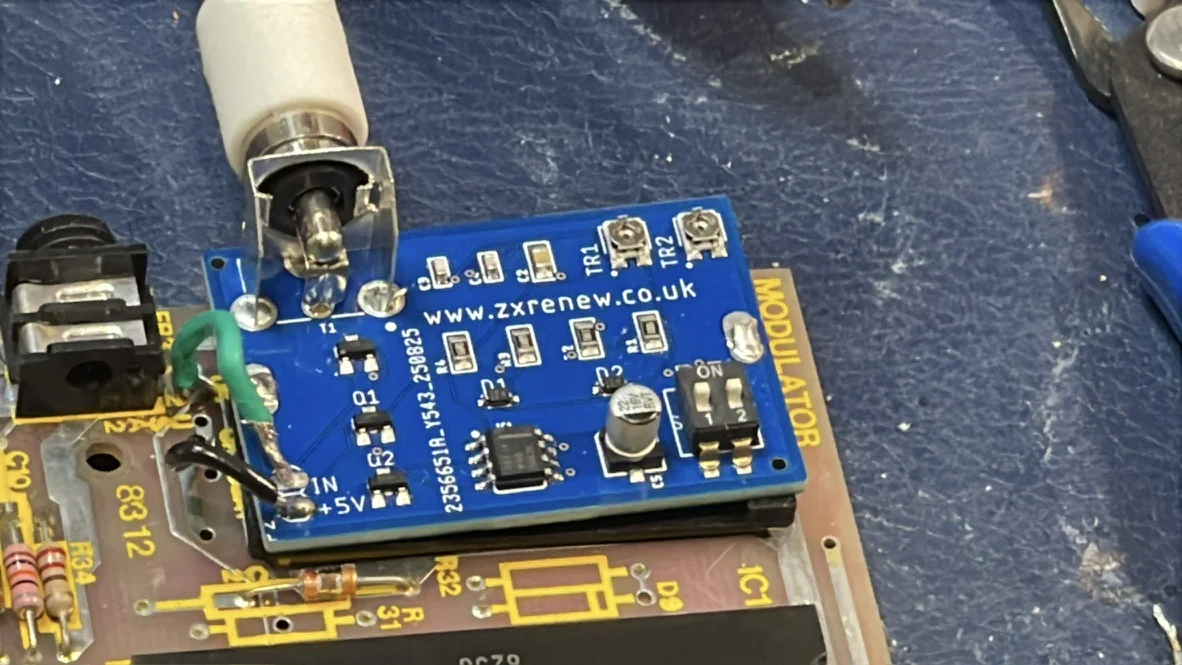
- My ZX81 with upgraded AV out and just hopefully needs a new keyboard membrane (a super common fault)
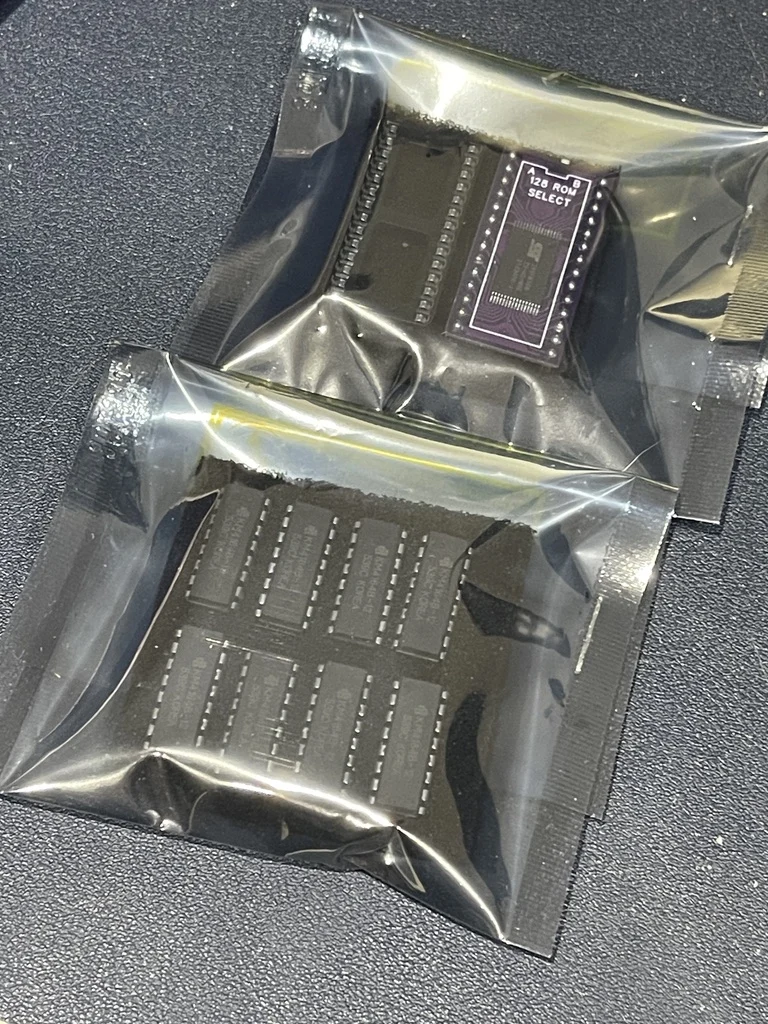
- Two Amstrad CPC 464, one which was my previously working machine that needed a DC jack repair and after trying to get the M4 Board working now still will not respond to keyboard, and an allegedly working main board that shows corrupted screen on bootup. I've bought some ROMs and RAMs to further diagnose and fortunately it turns out my scope does work on uk electricity :)

I started with CP/M way back but its small size makes it ever relevant as an emulator port.
In the past I've used it on a PCMCIA card on a Amstrad NC100 notepad computer, then later again via a Homebrew MSX Emulator on the Nintendo DS, and separately on a Homebrew Amstrad CPC again on the Nintendo DS, on various CP/M emulators under DOS, and a couple of years back on a Raspberry Pi Pico over a terminal connection.
Drawn to this forum by the lure of CP/M in a webpage via Javascript , by way of Javascript provided DOSBox emulation.

Our first system was a Commodore PET that my dad borrowed for the summer, it must have been 1978 or so. It took us the whole summer to write our first game: BASEBALL, and discovered many limitations in BASIC. A few years ago I reconstructed it mostly from memory, in about a weekend.
More recently, I've been writing small (read: toy) programs for the TRS-80 Model 100 series, and this year took on the VCCC 2025 challenge. Check out https://logiker.com/Vintage-Computing-Christmas-Challenge-2025
This might be overly ambitious but my festive project is a Christmas game written using XCBASIC3, UGBASIC and regular old C64 BASIC.
So far I have high resolution graphics loading in two out of 3 🤭

Hi, I thought you might be interested in the progress I have made on the Midwinter Fan Remake. Video here. For anyone interested in helping, I could use help from developers, testers, artists, etc. Please forward to anyone you think might be interested in this retrogamer project.

Like Chris Garret, my first computer was a VIC20, which in Australia was released in 1981 and as I bought it when just released paid AUD $399, and had to pay extra for the datacassette. As soon as the C64 was released I bought it for $699 AUD, then added the disk drive and numerous peripherals. Kept the C64 until 1986 when I upgraded to the A1000. I left these systems in around 1995 and just used boring PCs for a long time. In 2017 I decided to get back into the C64.
My first project was the Commodore 64 Robot Guitar:
https://youtu.be/p9JClx--cbU?si=BnVMK1mF0yIdkDv3
I also entered, and won, the global RetroChallenge 2021/10 with my RC Car controlled by a Commodore 64 project:
https://youtu.be/gv8PXJQiT2U?si=IzFh5-i5w2RfiH98
I'm hoping to use Chris's IDE platform to play around with programming the SID chip (amongst other ideas).
Really pleased to be joining this community.

I’m Johnny Blanchard, some will know me from the re:enthused channel and some will know me from the near endless (well 29) ports of my game Jurl to a whole bunch of retro platforms

First off, thank you Chris Garrett for the great work on this tool. I've already used the "Share playable link..." feature...nice!
I saw in one of your posts a link where the URL params was a .prg file. How do I do something like that? Is that a feature related to the Sync menu option(s) "Push/Pull to/from Server"?
TIA
--C64Whiz

Hello everyone. C=64 guy here.
I was looking for ways to integrate digital joystick to PC for using with VICE. While copying PPjoy URLs to my C64 folder on PC, I found and old link pointing to retrogamecoders. And here has a community forum. So why not join...
A quick question, I can ask it seperately though.
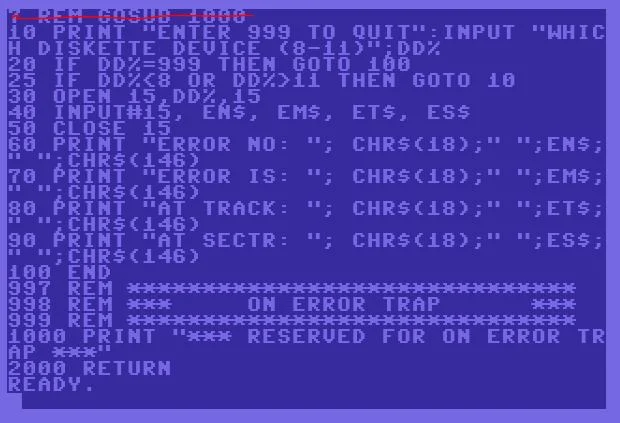
For C=64 BASIC V2 and DOS 2.6 on VICE. I have a simple BASIC code to read error info of diskette device. Open a handle (15) to command channel (15) of device (8-11). Read 4 parameters (INPUT#15), display them. If the device, (8-11) in question is attached and powered up, works like a charm. But when the device is not attached and not powered up (in means of the emulator: None), BASIC hangs, not responding to anything but reset. It is obvious that's because "read from device" (INPUT#) instruction but I couldn't understand why it just does not throw "DEVICE NOT PRESENT" just like when using "write to -a not attached- device" (PRINT#) ?
So, is there a non-destructive command (that won't alter current error status) to send either check if the device is attached, or let BASIC to throw "DEVICE NOT PRESENT" error?